Here’s a common misconception floating around
That AI is something you access through tools like ChatGPT or APIs. But dig a little deeper, and you’ll realise something important. The real shift isn’t about using AI — it’s about owning it.
Businesses don’t just want smarter tools. They want control over their data, their costs, and how AI actually runs inside their organisation.
Here’s why private AI infrastructure matters more than you think.
1. AI without control isn’t really yours
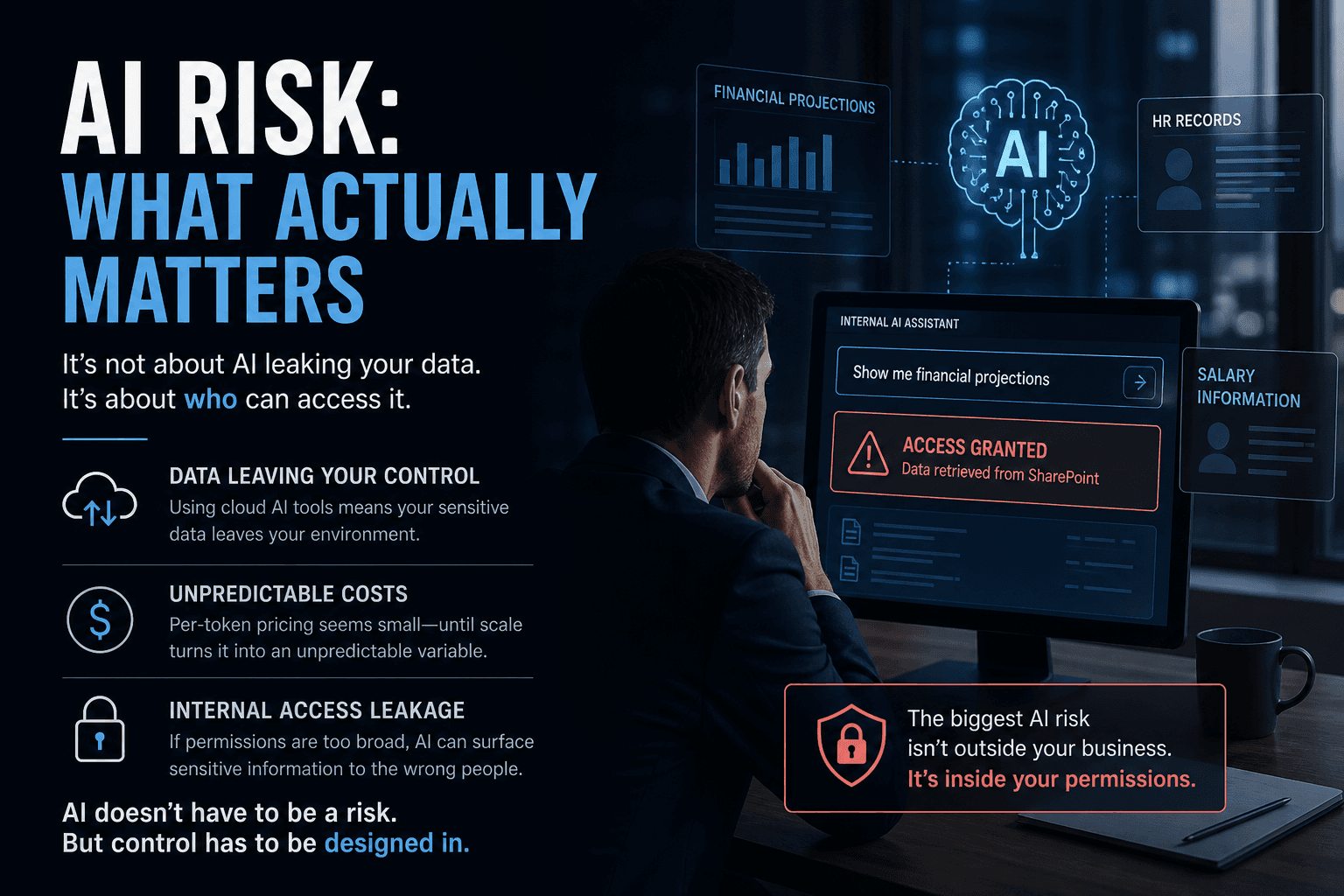
Most AI today runs outside your business. Every prompt, document, or workflow is processed somewhere else — often on infrastructure you don’t control.
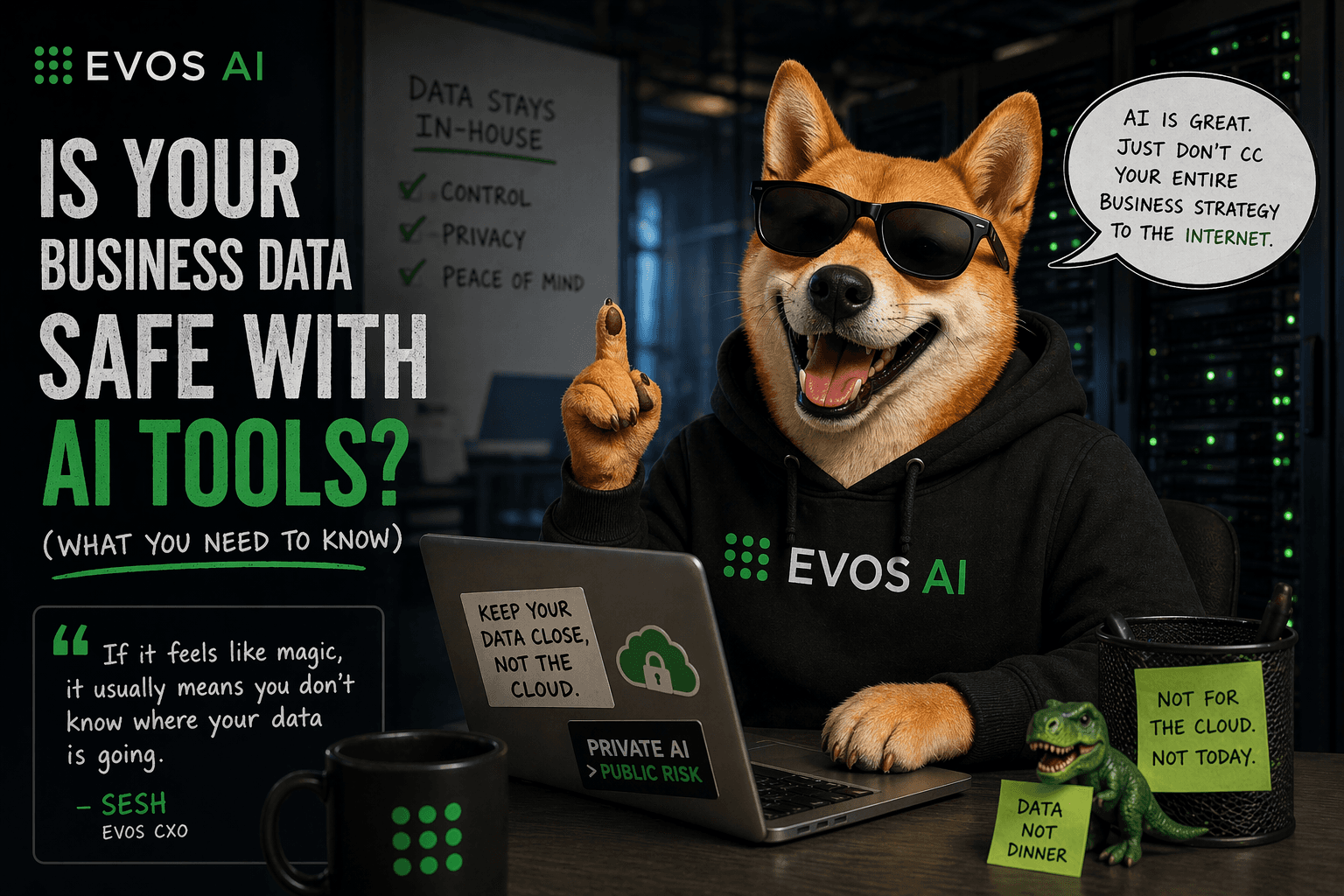
That might be fine for experimentation. But for real business use, it creates risk. Sensitive data leaves your environment, and decisions are influenced by systems you don’t own.
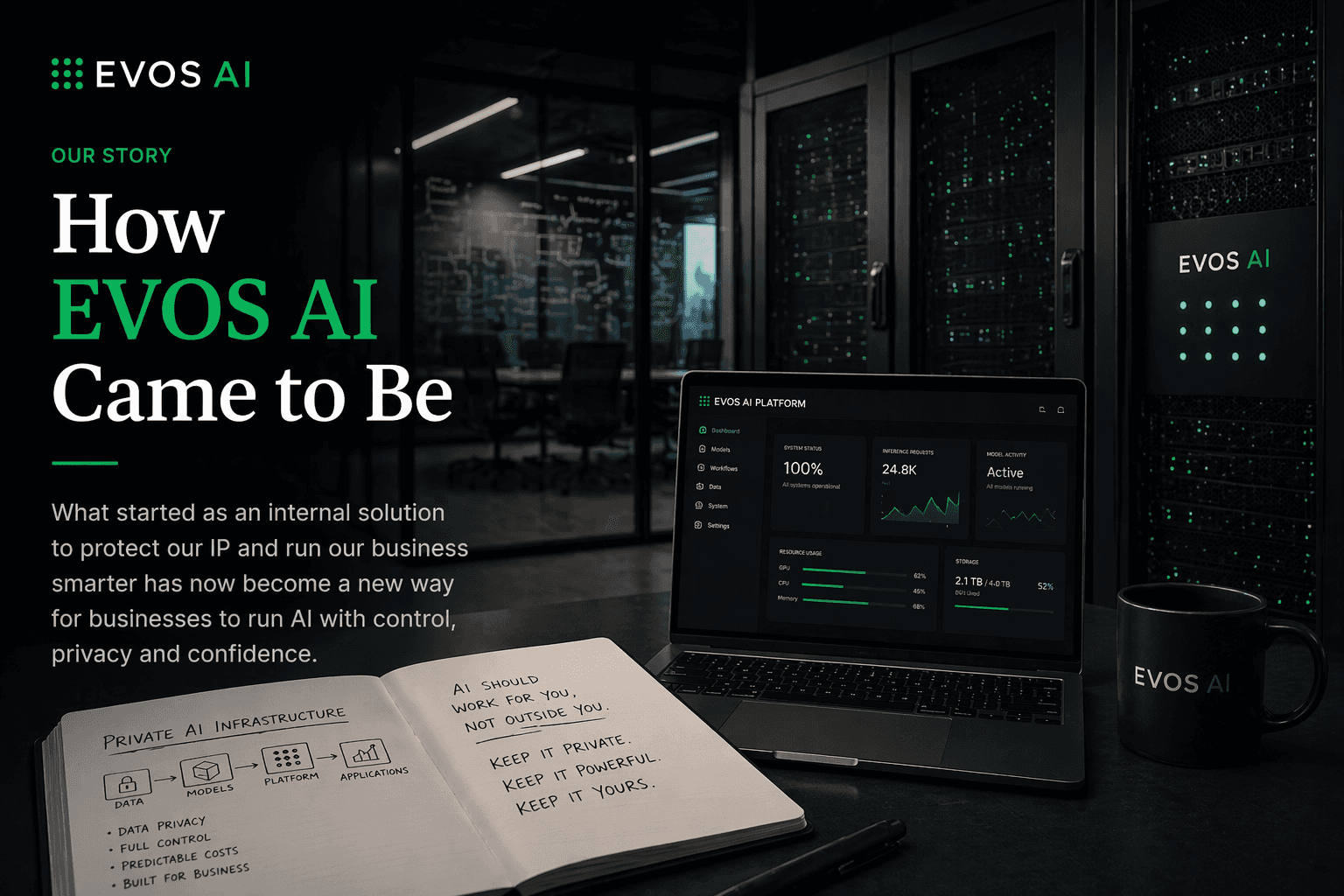
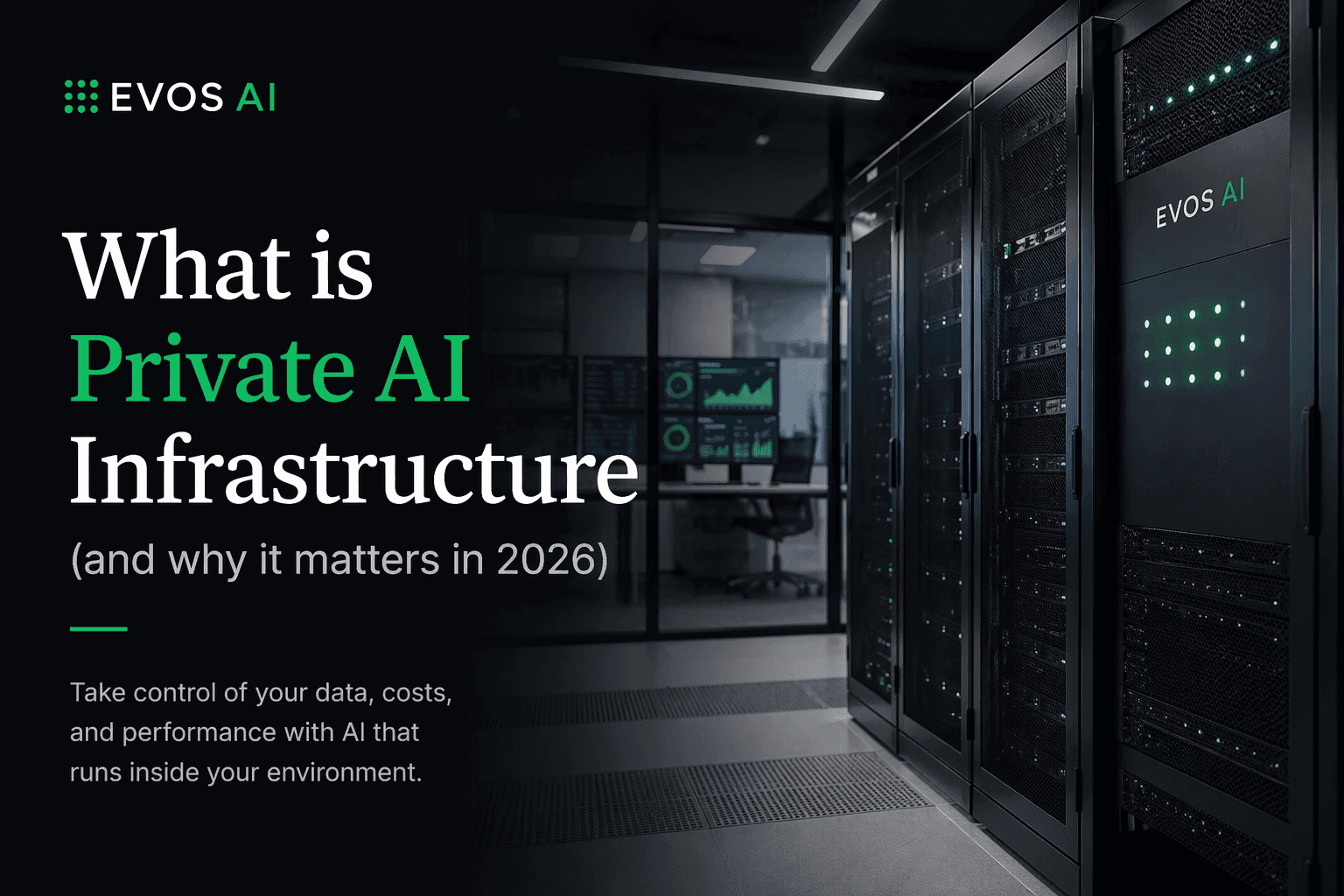
Private AI flips that model. Everything runs inside your infrastructure — on-prem or private cloud — so your data stays where it belongs.
2. Costs don’t scale the way you expect
API-based AI looks cheap at the start. But as usage grows, so do the costs.
Every query, every workflow, every automation adds up. What starts as a small monthly expense can quickly turn into a significant operational cost.
With private AI infrastructure, the model is different. You’re not paying per request — you’re running your own system. That means predictable costs and no surprises as your usage increases.
3. Real value comes from integration, not experimentation
A lot of businesses get stuck in “AI pilot mode.” They test tools, run small experiments, but never fully integrate AI into how the business actually operates.
Why? Because external tools are hard to deeply connect with internal systems.
Private AI is built differently. It sits inside your environment, meaning it can plug directly into your data, workflows, and teams. That’s where real value is created — not in demos, but in daily operations.
4. Dependency is the hidden risk
When your AI depends on external providers, you’re exposed to:
Pricing changes
Model updates you don’t control
Performance issues outside your control
Platform lock-in
Over time, that dependency becomes a constraint.
Owning your AI infrastructure removes that risk. You decide how it runs, when it updates, and how it evolves with your business.
5. The shift is already happening
This isn’t a future trend — it’s already underway.
Businesses are pushing for stronger data sovereignty
AI costs are becoming harder to justify at scale
Hardware now makes local AI deployment viable
Just like companies moved from shared hosting to owning their own infrastructure, AI is following the same path.
The takeaway
Most businesses are still thinking about AI as a tool.
But the companies that win will treat it as infrastructure.
Private AI infrastructure gives you control over your data, your costs, and your future. And as AI becomes more embedded in how businesses operate, that control becomes a competitive advantage.